
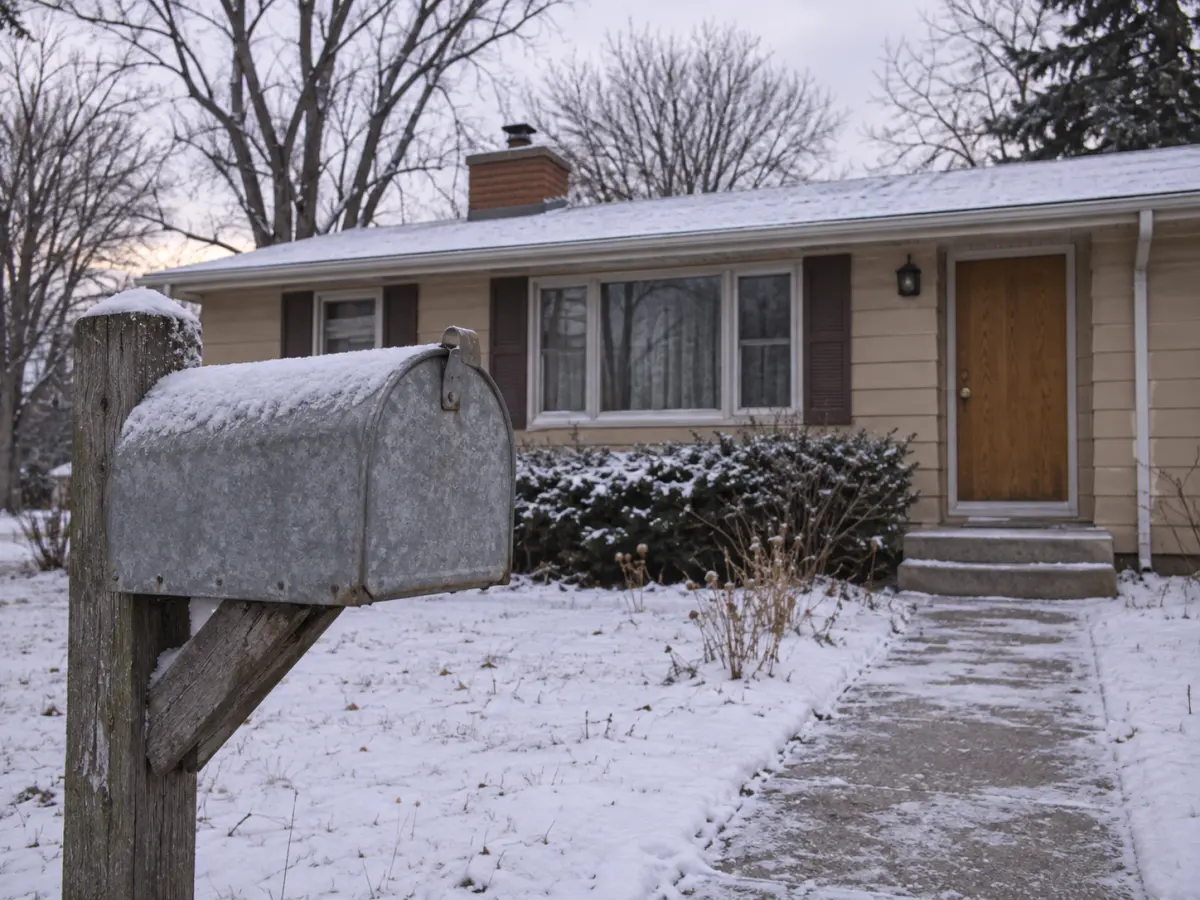
The pause is real, but it is not the end of the profession
DHS says the temporary moratorium applies to new 245D licenses and new service lines on existing licenses. It also canceled applications submitted before January 1, 2026, unless a lead agency or Tribal Nation identified an exception and the required application was submitted by the deadline. That makes any guide promising a normal 2026 application route misleading. [1][2]
The exception does not begin with an entrepreneur convincing DHS that a business idea is good. It begins with a lead agency identifying limited provider choice or a local, regional, or person-specific service need and proposing a provider. The agency retains a gatekeeping role throughout the process. Only the designated 245D moratorium liaison may submit the request to DHS. An approved exception allows an application or service-addition request; it does not guarantee approval. [1]
For an adult residential business, there is also a separate moratorium on new corporate adult foster care and community residential setting (CRS) licenses under Minnesota Statutes, section 245A.03, subdivisions 7b–7d. A 245D exception does not clear that restriction. Family adult foster care, where the license holder lives in the home throughout licensure, is outside the corporate adult foster care restriction; any required new 245D license still needs a temporary-moratorium exception. [4][2]
Licensing and Minnesota Health Care Programs (MHCP) enrollment are separate approvals. Some 245D services, including adult companion services, individualized home supports and night supervision, also face a high-risk provider enrollment moratorium. DHS reports that CMS approved its extension from July 27, 2026, through January 27, 2027. Check enrollment restrictions for the specific service before relying on a licensing exception. [2][5][6]
DHS also says an acquisition or change of ownership that does not increase licensed capacity or service scope does not require a 245D moratorium exception, although a new license application may be required. Confirm the licensing and enrollment requirements with DHS before treating an acquisition as an available route. [2]
Three practical routes from here
First, enter the field as a direct support professional, caregiver, coordinator, or manager. You can build real operating knowledge while the licensing environment is constrained. Second, prepare the non-license parts of a future business: understand the service model, test whether a home is suitable, study staffing economics, and build your recordkeeping discipline. Third, if a lead agency has identified a genuine capacity gap, ask that agency about its exception process. Do not purchase property or promise services on the assumption that an exception will follow.
For an adult foster care home or CRS, check the residential location rules before choosing a property. Minnesota Statutes, section 245A.042, subdivision 8, effective July 1, 2026, restricts newly licensed settings on the same or adjoining property as specified existing residential settings, regardless of who owns them. Adjoining property can include land across a residential street. [7]
- Work for an established provider and learn what good support looks like.
- Talk to the county or Tribal licensing agency before committing capital.
- Model revenue and costs from the applicable service and assessed needs—not a generic per-bed number.
- Build policies, training, and documentation capability while keeping every document free of person-served information until you are authorized to hold it.
Build the operating discipline before the first packet arrives
The first person served does not arrive as a blank row in software. They arrive with a support plan, assessments, contacts, health information, authorizations, and deadlines. nnipa is being built specifically for that starting point: it reads the source documents a Minnesota 245D provider already holds, pre-fills admission and review packets, identifies what still needs a person, and keeps the review clock. That is useful leverage for a small operator, but it does not replace a license, qualified staff, a case manager, or professional judgment. [8]
Questions people ask next
When is the Minnesota 245D moratorium expected to end?
DHS describes an anticipated end date of December 31, 2027. Because that is an anticipated date rather than a promise, check DHS before making a business commitment. [1]
Can I request a moratorium exception myself?
You can speak with a lead agency, but DHS describes the request as lead-agency or Tribal-Nation initiated and based on an identified service need. [1]
Sources
- Temporary 245D licensing moratorium exceptions Minnesota Department of Human Services · accessed September 12, 2026
- Temporary 245D licensing moratorium exceptions FAQ Minnesota Department of Human Services · accessed September 12, 2026
- Licensing for Home and Community-Based Services — 245D providers Minnesota Department of Human Services · accessed September 12, 2026
- Minn. Stat. § 245A.03 — Who must be licensed Minnesota Office of the Revisor of Statutes · accessed November 2, 20262026 compiled text: temporary licensing authority in subdivision 7a; corporate adult foster care and community residential setting restrictions, exceptions, and needs determination in subdivisions 7b to 7d. The July 2026 customized-living transition exception is limited to qualifying existing settings; it is not a general startup exception.
- Temporary moratorium on enrolling high-risk service providers extended Minnesota Department of Human Services · accessed November 2, 2026July 10, 2026 bulletin reports CMS approval for the July 27, 2026–January 27, 2027 extension. It remains listed in current MHCP updates. No separate CMS-issued extension letter was located in targeted CMS and Medicaid.gov searches.
- Fighting fraud, waste and abuse — MHCP provider updates Minnesota Department of Human Services · accessed November 2, 2026Current update index checked through October 2026. Identifies affected services and retains the July extension. Adult companion services, individualized home supports and night supervision are examples, not a list of all 245D services.
- Minn. Stat. § 245A.042 — Home and community-based services; additional standards and procedures Minnesota Office of the Revisor of Statutes · accessed November 2, 2026Subdivision 8 contains the residential colocation restriction, expressly effective July 1, 2026. Subdivision 7 in the compiled statute instead concerns the early and often licensor and compliance team. Compiled numbering governs the article citation.
- Minn. Stat. § 245D.095 — Records Minnesota Office of the Revisor of Statutes · accessed September 12, 2026
Evidence reviewed November 2, 2026. Next review due December 17, 2026. This is general information, not legal advice; check the source before you act on it.